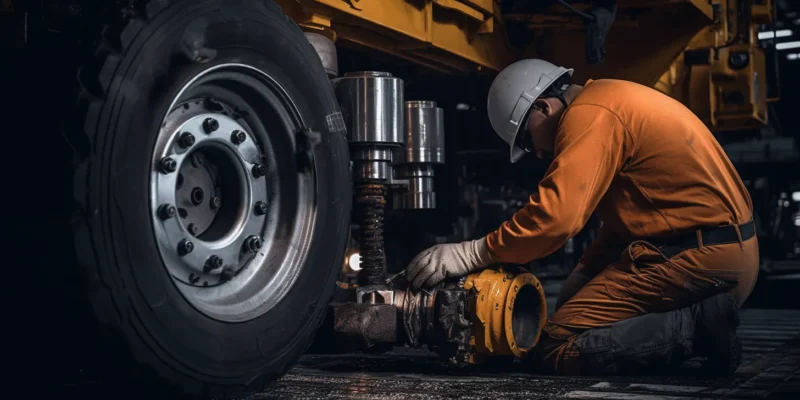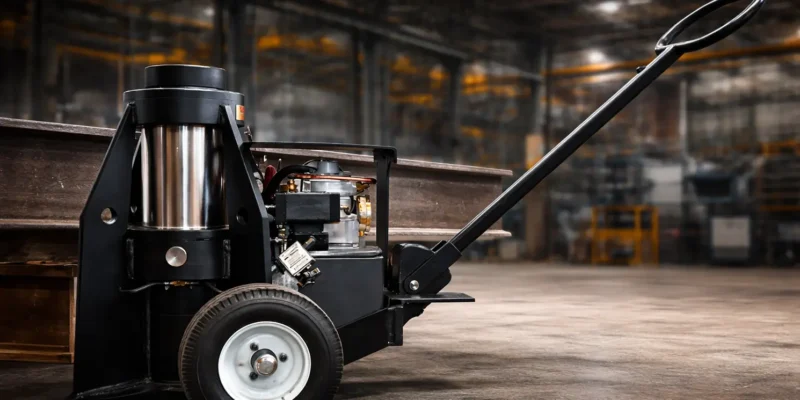
Air motor jacks play a critical role in heavy lifting applications across industries such as manufacturing, construction, mining, rail, shipbuilding, and industrial maintenance. Designed to lift and position extreme loads with precision, these tools help reduce manual strain and improve workplace safety when used correctly.
However, improper setup, operation, or maintenance can introduce unnecessary risk. Following proven air motor jack safety best practices not only protects operators but also extends equipment life and ensures consistent performance in demanding environments. As a long-standing manufacturer of industrial lifting solutions, Duff-Norton emphasizes proper use, inspection, and maintenance as part of every safe lifting operation.
Inspecting Your Air Motor Jack Before Operation
A pre-use inspection is one of the most important steps in air motor jack safety. Before applying air pressure or lifting a load, operators should perform a thorough visual and functional check.
Start by examining the jack body for visible damage such as cracks, deformation, corrosion, or loose components. Any structural issue can compromise load integrity. Pay close attention to hoses, fittings, and air connections to ensure there are no leaks, abrasions, or signs of wear.
Next, verify that all controls operate smoothly and respond correctly. Unusual noises, resistance, or delayed movement may indicate internal wear or air supply issues that should be addressed before use.
Making inspections a routine part of daily operations helps catch small problems early and reduces the risk of unexpected failures during critical lifts.
Proper Handling and Safe Operating Techniques
Correct handling and operation are essential for maintaining control and stability during lifting. Always position an air motor jack on a solid, level surface capable of supporting both the jack and the load. If the surface is uneven, use approved leveling or load-spreading equipment to create a stable base.
Never exceed the rated capacity of the jack. Overloading increases the risk of tipping, air motor strain, and component failure. Loads should be centered and evenly distributed to maintain balance throughout the lift.
During operation, stand clear of the load path and maintain a stable stance with full access to the controls. Use slow, controlled movements when raising or lowering loads to prevent sudden shifts.
Key operating safety reminders include:
- Confirm load weight and center of gravity before lifting
- Monitor for load movement throughout the lift
- Never work beneath a suspended load without proper secondary supports
Rushing the process or ignoring load limits is one of the most common causes of air motor jack incidents.
Routine Maintenance for Long-Term Performance
Regular maintenance is essential to keep air motor jacks operating safely and efficiently. Establishing a maintenance schedule helps ensure consistent performance and reduces downtime.
Routine tasks should include cleaning debris from moving parts, lubricating components using manufacturer-recommended lubricants, and checking air motors for smooth operation. Dirt and contamination can accelerate wear if not addressed promptly.
Operators should also remain alert to early warning signs such as reduced lifting speed, inconsistent movement, or unusual sounds. Addressing these issues early can prevent more costly repairs and extend the service life of the equipment.
For industrial environments with frequent use, more detailed inspections every three to six months are recommended.
Proper Storage to Protect Equipment
Storing an air motor jack correctly is just as important as using it properly. When not in use, the jack should be kept in a clean, dry environment protected from moisture, dust, and extreme temperatures.
Exposure to humidity can lead to corrosion, while debris buildup can affect moving components. Storing the jack on a stable surface and covering it when appropriate helps prevent accidental damage.
Periodic checks of stored equipment ensure that environmental conditions have not compromised seals, air lines, or metal components before the next use.
Creating a Safer, More Efficient Lifting Operation
By following proper inspection, operation, maintenance, and storage practices, air motor jacks become reliable, long-term assets rather than safety risks. Consistent procedures help protect workers, reduce equipment downtime, and support efficient industrial workflows.
Training teams on correct air motor jack usage fosters a culture of safety and accountability. When operators understand how to care for the equipment they use, lifts are smoother, safer, and more predictable.
For industrial-grade lifting solutions engineered for performance and durability, Duff-Norton air motor jacks deliver the reliability required for demanding applications. Explore Duff-Norton’s air motor jack solutions to support safer lifting and keep your operations moving with confidence.